- Expertise spanning over 170 years
- Curated range of ‘anyday’ wines & special bottles
- State of the art storage and logistics facilities
Grape Varieties
The building block of wine, the grape variety or varieties used is key to any wine produced. When wine writer Jancis Robinson’s latest tome on the subject included some 1,368 different varieties, we understand how easy it is to be overwhelmed. So we’ve picked some of the grape varieties that you’re most likely to come into contact with, and have sought to sum them up in a few words, accompanied by wines that we feel represent each variety beautifully. But as always, the best way to find out what you like is to try them for yourself!
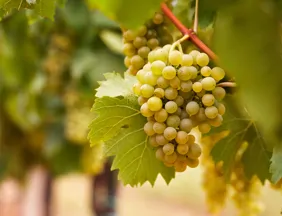
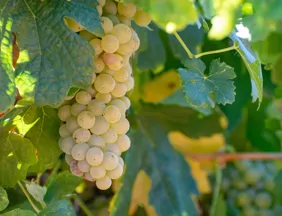
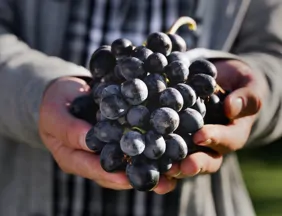
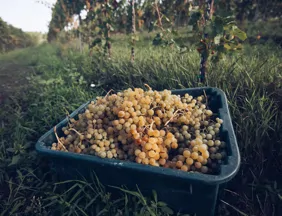
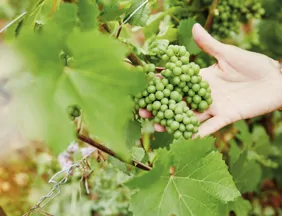
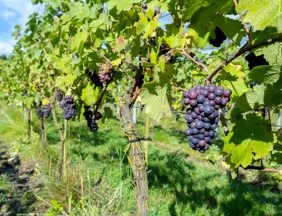
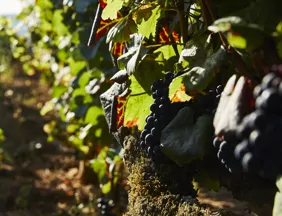
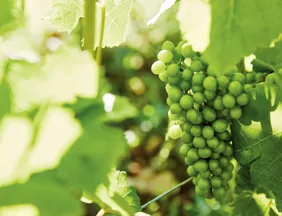
GRAPES AND WINE TYPES
Red wine
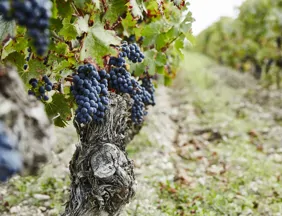
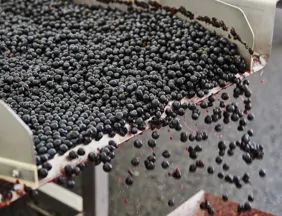
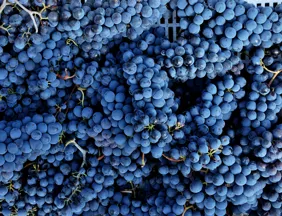
The world’s greatest red grape varieties (or strictly speaking, black grape varieties – it is the wine that is red) are each associated with particular regions within Europe, to where most of them can be traced.
In France, Pinot Noir dominates Burgundy, Syrah rules the roost in the Rhône, while Cabernet Sauvignon and Merlot, when blended together, form the cornerstone of Bordeaux. In Italy, Sangiovese is native to Tuscany and Nebbiolo forms the identity of Piedmont, while in Spain, Tempranillo defines Rioja and Ribera del Duero. It is in wine’s so-called New World where these varieties have become brands in their own right, with producers giving them hero status on their labels. Still, though, they tend to be tied to certain regions, hence the fame of Napa Valley Cabernet, New Zealand Pinot Noir, Argentinian Malbec and Australian Shiraz.
White wine
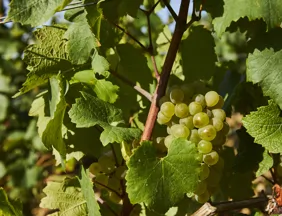
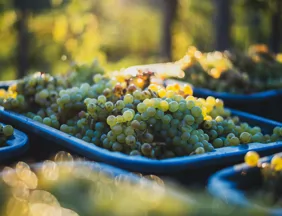
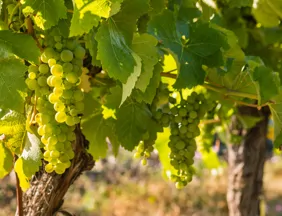
The world’s great white grape varieties showcase a surprisingly diverse array of flavours and styles. A creamy, rounded, oaked Chardonnay from California is a world away from the rapier, linear tones of an Australian Riesling. Even within individual grape varieties, how and where it is grown and vinified will make that same Chardonnay a far leaner, more chiselled wine in, say New Zealand than in California. As with red grapes, most white grapes can trace their heritage to particular European regions, most notably in France. So Chardonnay dominates Burgundy, Riesling’s spiritual home is in Alsace, while Sauvignon Blanc and Chenin Blanc jostle for prominence in the Loire. Such varieties have helped make the name of individual regions in wine’s so-called New World, where they have become brands in their own right – hence the fame of New Zealand Sauvignon Blanc, South African Chenin Blanc and Aussie Riesling, among others.
Rosé wine
Rosé wine can be made from a host of grape varieties, and is often a blend of several. This, and the way that rosé wine is made – requiring more initial intervention than in red or white wines – means that the grape variety is often an overlooked part of its make-up. Most rosé wine is made by taking the juice of red grapes (with only brief contact with the skins, for some colour); another technique is the so-called ‘saignée’ method of ‘bleeding’ off some red wine early in its fermentation, before it has had chance to take on deep flavours or tannins. Both methods can harness a range of grape varieties, including white wines, hence why the grape variety tends not to be highlighted on labels. Among the most popular grape varieties for rosé production, though, are Grenache, Pinot Noir, Cinsault, Syrah and Mourvèdre.